Introduction
The e-commerce industry has been growing at lightning speed, and so have the ways brands reach their customers. Traditional channels like email campaigns, SMS alerts, and social media ads still matter, but in 2025 one platform is proving to be a game-changer: WhatsApp Marketing.
WhatsApp is no longer just a personal messaging app. With billions of active users worldwide and deep penetration in markets like India, Brazil, and Southeast Asia, WhatsApp has become a powerful tool for direct, personalized, and real-time customer engagement.
For e-commerce stores, WhatsApp marketing is not just about sending offers; it’s about reshaping the customer journey — from product discovery to purchase and beyond. This blog explores in detail how WhatsApp marketing is transforming e-commerce, the strategies behind it, success stories, challenges, and where the future is headed.
1. What is WhatsApp Marketing?
At its core, WhatsApp marketing means leveraging WhatsApp’s platform — through the WhatsApp Business App or the WhatsApp Business API — to engage customers across the funnel.
Key Features of WhatsApp Marketing
Business Profiles: Verified business accounts build trust.
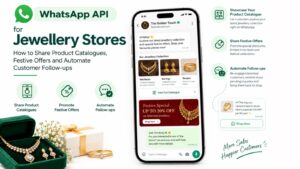
Rich Media Messages: Share product images, videos, catalogs, and voice notes.
Interactive Messages: Buttons for quick replies, call-to-action links, or payment links.
Broadcast Lists: Send updates or offers to multiple opted-in customers.
Automation & Bots: Auto-responses for FAQs, cart reminders, and order updates.
Privacy & Security: End-to-end encryption ensures secure communication.
Why It Matters for E-commerce
Massive Reach: WhatsApp is used by billions globally; in markets like India, it is practically universal.
Unmatched Engagement: WhatsApp messages boast open rates of 75–98%, far higher than email (20–30%).
Conversational Commerce: Customers can ask questions, browse products, and even place orders through chat.
Real-time Communication: Updates on orders, shipping, and support build trust.
Personalized Marketing: Tailored campaigns based on purchase history, location, or behavior.
2. How WhatsApp Marketing is Changing the E-commerce Game
a) Conversational Commerce
Traditional e-commerce requires customers to browse a website, add to cart, and check out. With WhatsApp:
Customers can chat directly with brands for queries, product comparisons, and recommendations.
Businesses can send catalogs or images instantly.
Order tracking, returns, and support happen within one conversation.
This human-like interaction builds trust and shortens the purchase cycle.
b) Abandoned Cart Recovery & Retargeting
Cart abandonment is one of the biggest challenges in e-commerce. WhatsApp solves it with:
Automated cart reminders
Personalized offers
Alternative product suggestions
This approach can recover a significant chunk of otherwise lost sales.
c) Customer Support & Post-Purchase Engagement
WhatsApp makes customer support effortless with real-time queries, instant confirmations, and personalized follow-ups. The result? Better satisfaction and long-term loyalty.
d) Personalized Campaigns & Broadcast Marketing
With segmentation, businesses can run targeted promotions that convert better than generic campaigns. Rich content like videos, GIFs, and demos make it engaging.
e) Automation, AI & Integrations
Chatbots for FAQs and product discovery
AI for optimizing campaigns
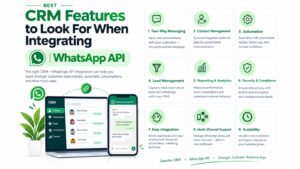
Integration with CRMs & platforms like Shopify, WooCommerce, and Magento
f) WhatsApp as a Shopping Channel
From catalogs to in-chat payments, WhatsApp is evolving into a direct shopping destination.
3. Statistics & Case Studies
Open Rates: 75–98% vs 20–30% (emails)
Response Time: 60% customers reply within 5 minutes
Cart Recovery: Up to 30% better recovery rates
Customer Preference: WhatsApp is preferred over email or SMS
Case Studies:
Fashion Retailer: +25% repeat purchases
Electronics Brand: +18% checkout rate
SMBs in India: Using WhatsApp catalogs as their primary storefront
4. Challenges & Risks in WhatsApp Marketing
Opt-in requirements
Spam and over-messaging concerns
Privacy & compliance (GDPR, WhatsApp rules)
Balancing automation with human touch
Costs of API & integrations
ROI tracking complexities
5. Best Practices for WhatsApp Marketing in E-commerce
Define objectives
Build opt-in lists
Segment your audience
Plan relevant content
Use automation wisely
Integrate analytics
Stay compliant
6. Future of WhatsApp Marketing for E-commerce
Smarter AI chatbots
In-chat shopping & payments
Ads in WhatsApp Channels
Vernacular/localized campaigns
Omnichannel integration with email, SMS, and social
Conclusion
WhatsApp marketing has moved beyond being “just another channel.” It is now a strategic pillar of e-commerce growth. From conversational commerce and cart recovery to personalized campaigns and AI-driven automation, WhatsApp empowers businesses to engage with customers like never before.
The brands that succeed will be those that:
Respect customer consent
Balance automation with human support
Deliver relevant, timely, and personalized communication
Continuously test and optimize campaigns
In short, WhatsApp marketing is not just changing the game — it’s rewriting the rules for how e-commerce connects, converts, and retains customers.
👉 If you want to harness the full power of WhatsApp Business API for bulk messaging, contact TrendingBulb and Step4Growth — they’ll help you turn chats into customers.