Introduction
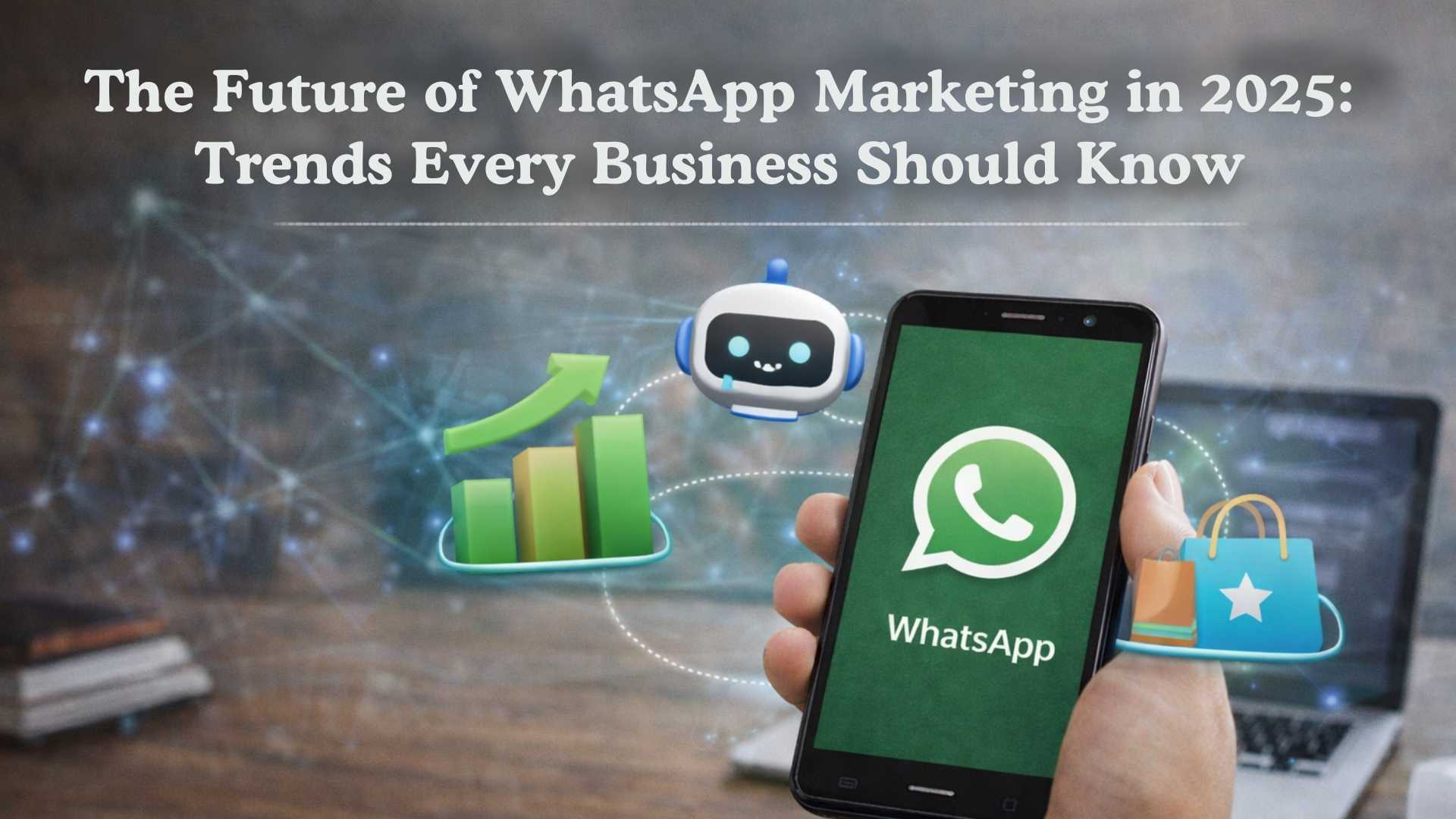
The world of digital marketing has changed dramatically over the last decade. Social media platforms, email marketing, and search ads have all played a huge role in connecting businesses with their customers. But in 2025, one channel has emerged as the most powerful, reliable, and personal way to engage audiences: WhatsApp Marketing.
With over 2.8 billion monthly active users globally, WhatsApp is not just a messaging app anymore — it has transformed into a business growth ecosystem. From personalized customer engagement to AI-driven chatbots, bulk messaging, and WhatsApp Business API integration, brands across industries are leveraging WhatsApp to reach customers directly in their most trusted inbox.
This blog will explore the future of WhatsApp marketing in 2025, highlighting the key trends, strategies, and technologies that every business should know to stay ahead of the competition.
Why WhatsApp Marketing Matters in 2025
Before diving into the future trends, let’s understand why WhatsApp marketing has become such a big deal.
Unmatched Reach – With billions of users worldwide, WhatsApp is one of the most used apps on the planet.
High Engagement Rates – Studies show WhatsApp messages enjoy open rates of 98%, far higher than email.
Personalized Communication – Unlike social media ads, WhatsApp messages feel one-on-one and personal.
Business API Integration – Companies can now automate communication, manage support, and run campaigns seamlessly.
Trust & Security – End-to-end encryption makes customers feel safe sharing personal details.
In short, WhatsApp marketing combines reach, trust, and personalization, making it the future-ready tool businesses must adopt.
Key Trends in WhatsApp Marketing for 2025
1. AI-Powered WhatsApp Chatbots
AI-driven chatbots are revolutionizing WhatsApp communication in 2025. Businesses are using smart bots to:
Answer FAQs instantly
Offer personalized product recommendations
Provide 24/7 customer support
Automate order confirmations & delivery updates
For example, e-commerce brands use AI chatbots to guide users through shopping, recommend products based on browsing history, and even process payments within WhatsApp.
By 2025, chatbots are expected to handle 70% of customer interactions, reducing costs and improving response times.
2. WhatsApp Business API for Bulk Messaging
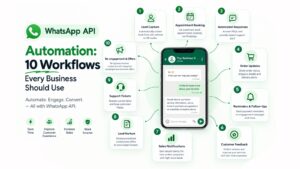
The WhatsApp Business API is at the core of modern WhatsApp marketing. In 2025, businesses are no longer relying on one-on-one messages alone. They can:
Send bulk personalized campaigns
Share discount codes, new arrivals, or seasonal offers
Segment audiences for targeted marketing
Track analytics (delivery rates, click-through rates, conversions)
For instance, a fashion brand can send “New Collection Alert” to loyal customers, while restaurants can send personalized offers during lunch hours.
The API makes WhatsApp a scalable marketing channel, not just a messaging app.
3. Personalized & Interactive Messaging
Customers in 2025 don’t want generic promotions. They expect brands to treat them like VIPs. That’s why personalized marketing is the future.
Examples of personalization on WhatsApp include:
Using customer’s name in messages
Recommending products based on past purchases
Sending interactive messages with buttons, carousels, or quick replies
Instead of a boring “Check our website,” brands now send:
👉 “Hi Sarah! We’ve got new yoga wear in your favorite style. Tap below to explore.”
This makes the customer feel valued, increasing conversions.
4. Integration of WhatsApp Payments
With the rise of WhatsApp Pay, businesses can complete the entire shopping journey inside WhatsApp. Customers can:
Browse catalogs
Place orders
Pay instantly within the chat
This frictionless shopping experience boosts sales. In 2025, WhatsApp is expected to rival platforms like Shopify or Amazon by enabling chat-based commerce.
5. Rich Media Messaging (Videos, GIFs, Stories)
Text-only messages are outdated. In 2025, brands are using videos, GIFs, voice notes, and WhatsApp Status stories to capture attention.
For example:
Restaurants share short food videos with offers.
Travel agencies send 360° destination videos to customers.
Coaches share motivational voice notes to inspire followers.
Rich media makes WhatsApp campaigns engaging, memorable, and shareable.
6. Automation & Scheduling
Imagine sending a festival campaign at midnight or a reminder just before an event starts. Automation in WhatsApp marketing is making this possible.
Businesses now use tools to:
Schedule broadcasts
Automate reminders (appointments, webinars, product restocks)
Trigger messages based on user behavior
Example: If a customer abandons a cart, WhatsApp can send a reminder:
👉 “Your favorite shoes are still waiting! Complete your purchase now and get 10% off.”
7. Hyper-Segmentation of Audiences
In 2025, mass messaging is dead. Businesses are segmenting audiences based on:
Location
Purchase behavior
Age and gender
Interests and browsing habits
This ensures the right message reaches the right person. For instance, a sportswear brand can send running shoes promotions only to fitness enthusiasts, while sending sneakers to college students.
8. WhatsApp Communities & Groups for Engagement
WhatsApp launched Communities in 2023, and by 2025, they’ve become an essential engagement tool. Brands use them to:
Build VIP customer groups
Share updates, discounts, and loyalty rewards
Create niche communities (fitness, fashion, gaming, etc.)
This strengthens customer loyalty and builds brand advocates.
9. Voice Search & Smart Assistants
With the rise of voice technology, customers are increasingly using voice commands. In 2025, businesses integrate WhatsApp with smart assistants like Alexa and Google Assistant.
Example:
“Hey Alexa, order my regular coffee from Starbucks via WhatsApp.”
This makes transactions faster and hands-free, adding convenience.
10. Advanced Analytics & Campaign Tracking
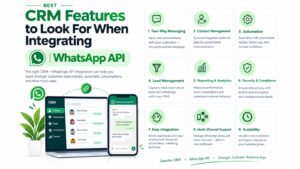
Data-driven decisions are the backbone of modern marketing. WhatsApp Business API now provides:
Message open rates
Click-through rates
Conversion tracking
Customer satisfaction scores
By analyzing these insights, businesses optimize campaigns for better ROI.
WhatsApp Marketing Strategies Businesses Should Adopt in 2025
Knowing the trends is not enough. Here are actionable strategies businesses must follow:
1. Build a WhatsApp Subscriber List
Instead of buying data, encourage customers to opt-in via websites, QR codes, or social media.
2. Use Conversational Marketing
Keep messages human-like, not robotic. Example:
❌ “Buy now: 50% off shoes.”
✅ “Hey John, our best-selling shoes are back! Want me to reserve a pair for you with 50% off?”
3. Leverage WhatsApp Status Stories
Post daily updates, offers, or behind-the-scenes content to stay visible.
4. Combine WhatsApp with Other Channels
Use WhatsApp with email, social media, and SMS for an omnichannel experience.
5. Run Automated Drip Campaigns
Send a sequence of messages (welcome → product education → offer → reminder) to nurture leads.
6. Focus on Customer Support
Turn WhatsApp into a support hub where customers can resolve queries instantly.
7. Use Influencers on WhatsApp
Brands in 2025 collaborate with influencers who share exclusive deals via WhatsApp groups.
Industry-Specific WhatsApp Marketing Use Cases in 2025
1. E-commerce
Cart recovery messages
Personalized product recommendations
Flash sale alerts
2. Food & Restaurants
Menu sharing via catalogs
Table booking confirmations
Order tracking & delivery updates
3. Healthcare
Appointment reminders
Prescription updates
Telemedicine via WhatsApp calls
4. Education & Coaching
Class reminders
Study material sharing
One-on-one mentoring via chat
5. Real Estate
Virtual property tours via video messages
Appointment scheduling
Loan & EMI reminders
6. Travel & Hospitality
Booking confirmations
Itinerary updates
Personalized travel offers
The Challenges of WhatsApp Marketing in 2025
While opportunities are endless, businesses also face challenges:
Over-messaging – Customers may block brands if spammed.
Privacy Concerns – Data protection remains a top priority.
Cost Factor – WhatsApp Business API charges per message template.
Competition – More brands = more noise in the inbox.
The key is to balance value and frequency while respecting user privacy.
The Future Outlook of WhatsApp Marketing
In 2025 and beyond, WhatsApp will not just be a messaging app but a complete business ecosystem. From marketing and payments to customer service and community building, WhatsApp will play a central role in the customer journey.
Businesses that adopt AI, personalization, automation, and analytics will thrive, while those sticking to old methods may get left behind.
Conclusion
The future of WhatsApp marketing in 2025 is bright, innovative, and customer-centric. Businesses can no longer ignore this platform, as it combines reach, trust, and personalization like no other channel.
To stay ahead, companies must embrace:
AI chatbots for 24/7 communication
WhatsApp Business API for scalable marketing
Personalized messaging for stronger connections
Payments & commerce integration for frictionless shopping
If done right, WhatsApp marketing will not only increase sales and ROI but also create loyal brand advocates.
Stay tuned with TrendingBulb for the latest marketing insights and explore growth-driven strategies with Step4Growth to take your business to the next level.