The fashion industry moves fast. New trends appear every season, while customer preferences change just as quickly. Therefore, fashion brands need more than attractive products. They also need fast, personalized, and convenient customer communication.
This is where WhatsApp API for fashion brands can help.
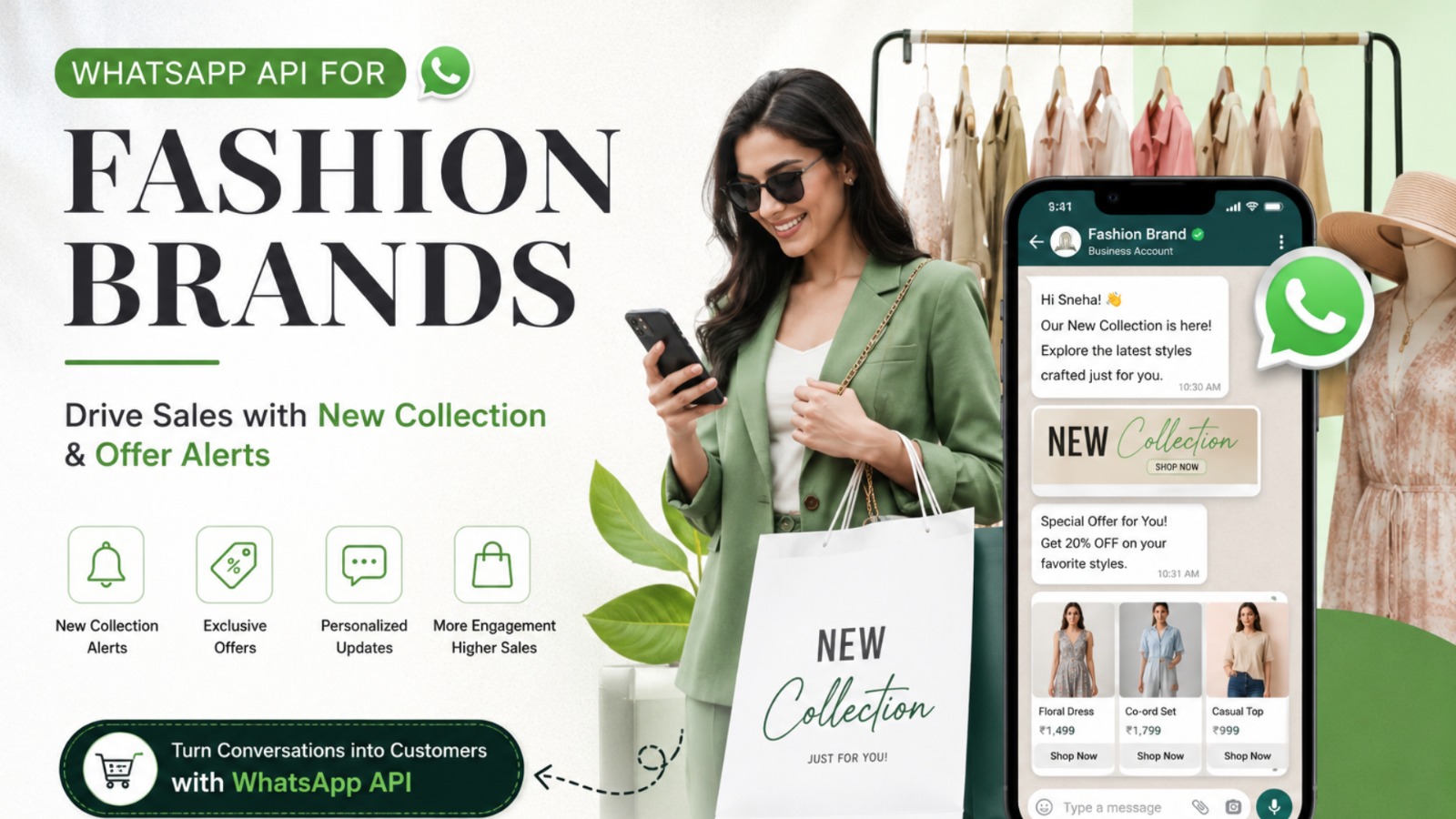
With WhatsApp Business Platform, fashion brands can connect with customers through automated conversations, new collection alerts, exclusive offers, product recommendations, order updates, and customer support. As a result, brands can create smoother shopping experiences while keeping customers engaged.
Moreover, WhatsApp can connect marketing campaigns with sales conversations.
For example, a customer may discover a fashion brand through Google, Instagram, Facebook, or an influencer. Next, that customer can visit the website and click a WhatsApp button. From there, automation can answer questions, recommend products, share offers, and guide the shopper toward purchase.
At Trending Bulb, we believe digital marketing should go beyond visibility. Instead, it should help businesses turn attention into meaningful customer actions.
Similarly, Step4Growth focuses on growth-driven digital strategies. Meanwhile, Campaign Plus helps businesses use WhatsApp API and automation for customer communication and engagement.
So, how can fashion brands use WhatsApp API to drive sales?
Let’s explore.
What Is WhatsApp API for Fashion Brands?
WhatsApp API for fashion brands is a business messaging solution that allows fashion companies to communicate with customers through WhatsApp at scale.
Unlike a regular WhatsApp account, the WhatsApp Business Platform can connect with CRM systems, websites, e-commerce platforms, customer databases, and automation tools.
As a result, fashion brands can build structured customer journeys instead of relying only on manual replies.
For instance, imagine a customer sees a new dress on Instagram.
The shopper visits the website but has questions about sizes. Instead of searching through multiple pages, the customer can start a WhatsApp conversation.
Immediately, an automated flow can provide size information, available colours, product details, prices, and purchasing assistance.
If the customer needs additional help, the conversation can move to a sales representative.
Therefore, WhatsApp API can make the path from product discovery to purchase much easier.
Why Fashion Brands Need WhatsApp Marketing
Fashion shopping depends heavily on trends, new launches, discounts, recommendations, and seasonal occasions.
However, customers also see countless promotional posts every day. Because of that, an Instagram post or email may not always reach the customer at the right moment.
WhatsApp marketing gives brands another way to maintain customer engagement.
For example, fashion businesses can use WhatsApp communication for:
- New collection alerts
- New arrival announcements
- Exclusive fashion offers
- Flash sale notifications
- Festive collection launches
- Product recommendations
- Back-in-stock alerts
- Abandoned-cart reminders
- Order confirmations
- Shipping updates
- Delivery notifications
- Customer support
- Feedback requests
- Loyalty rewards
Consequently, WhatsApp can become an important part of a fashion brand’s digital marketing strategy.
At the same time, businesses should use customer consent, approved templates, and applicable WhatsApp policies when sending business-initiated messages.
How WhatsApp API Helps Fashion Brands Drive Sales
The biggest advantage of WhatsApp API for fashion brands is its ability to connect communication with the buying journey.
Instead of using WhatsApp only for customer support, brands can use it across marketing, sales, service, and retention.
Let’s look at the key opportunities.
1. Announce New Fashion Collections
A new collection creates excitement.
However, not every follower will see a launch post on social media. Therefore, fashion brands can use WhatsApp to alert opted-in customers about new arrivals and collection launches.
For example:
“Our latest festive collection is here! ✨ Discover new styles designed for your celebrations. Explore the collection today.”
The message can include a product image and a suitable call-to-action.
Consequently, customers can move from the announcement to the shopping experience with fewer steps.
For fashion brands, timely collection alerts can create excitement while keeping the brand top of mind.
2. Send Exclusive Offer Alerts
Discounts can encourage customers to make faster purchase decisions.
Therefore, fashion brands can use WhatsApp marketing to promote:
- Seasonal sales
- Festive discounts
- First-order offers
- VIP deals
- Limited-time promotions
- Free-shipping campaigns
- Category-specific discounts
- Loyalty rewards
For instance:
“Exclusive offer for you! Get 20% OFF selected styles for a limited time. Shop your favourites today.”
However, relevance matters.
Instead of sending the same promotion to every customer, brands can segment audiences based on shopping behaviour and preferences.
As a result, customers can receive offers that better match their interests.
3. Personalize Product Recommendations
Fashion is personal.
Every shopper has different preferences regarding styles, colours, sizes, categories, and budgets. Therefore, generic marketing messages may not always deliver the strongest customer experience.
With suitable CRM and customer-data integrations, brands can create more relevant WhatsApp conversations.
For example, a customer who previously purchased ethnic wear could receive an update about a new ethnic collection.
Similarly, someone interested in footwear could receive new footwear launch alerts.
A message could say:
“Loved your previous look? Explore our latest styles selected based on your interests.”
This approach can make WhatsApp marketing feel more useful and personal.
Furthermore, relevant recommendations can encourage repeat purchases.
4. Recover Abandoned Carts
Abandoned carts remain a common challenge for fashion e-commerce businesses.
A shopper may add a product to the cart and leave without completing the purchase. Perhaps the customer is comparing prices. Maybe they are checking sizes. In some cases, they simply get distracted.
A timely WhatsApp reminder can bring the shopper back.
For example:
“Your favourites are still waiting! Complete your order and get your selected styles before they sell out.”
In addition, brands can offer suitable incentives when appropriate.
For example, a business may provide free shipping or a limited-time discount.
The key, however, is relevance and timing.
Because the customer has already shown purchase intent, a helpful reminder can reconnect the shopper with the product.
5. Promote Flash Sales
Fashion shoppers often respond to urgency.
Therefore, WhatsApp API can support flash-sale campaigns by notifying opted-in customers when an offer begins or approaches its deadline.
For example:
“Flash Sale Alert! ⏰ Enjoy special prices on selected styles today. Shop before the offer ends.”
Moreover, brands can create a simple campaign journey:
Announcement → Product Discovery → Offer → Reminder → Last-Chance Alert
This structure gives customers several opportunities to engage.
At the same time, brands should avoid excessive messaging. Quality should always come before quantity.
6. Launch Festive Fashion Collections
Festive seasons create valuable opportunities for fashion brands.
Diwali, Navratri, Eid, Christmas, wedding seasons, and other celebrations can increase demand for ethnic wear, party wear, accessories, footwear, and gifting products.
Therefore, brands can use WhatsApp marketing to promote festive collections before and during peak shopping periods.
A campaign could follow this structure:
Week 1: Collection teaser
Week 2: Launch announcement
Week 3: Product recommendations
Week 4: Special offer
Final days: Last-chance alert
As a result, brands can build a complete campaign instead of relying on one promotional message.
7. Send Back-in-Stock Alerts
Customers often want products that temporarily go out of stock.
Unfortunately, if a brand does not notify interested shoppers, those customers may purchase elsewhere.
A back-in-stock WhatsApp alert can reconnect the shopper with the product.
For example:
“Good news! The style you were waiting for is back in stock. Check availability before it sells out again.”
Because the customer has already shown interest, the message can be highly relevant.
Furthermore, back-in-stock alerts can help brands capture demand that might otherwise disappear.
8. Provide Faster Customer Support
Customer experience does not end after payment.
Shoppers may have questions about sizes, colours, returns, exchanges, delivery, payments, shipping, or order status.
Fortunately, WhatsApp automation can handle many routine questions.
For example, a chatbot can provide instant answers about store policies or product information.
Meanwhile, human agents can focus on complex requests and high-intent shoppers.
As a result, automation can improve response speed while keeping human assistance available.
WhatsApp API + Digital Marketing: A Powerful Combination
WhatsApp API becomes even more valuable when it works with a wider digital marketing strategy.
Consider a typical fashion customer journey.
First, a shopper searches Google for a fashion product.
Next, the customer discovers a brand through SEO, Google Ads, Meta Ads, social media, or influencer marketing.
Then, the shopper visits the website.
Afterward, the customer clicks the WhatsApp CTA.
A conversation starts.
From there, automation can answer questions and collect customer requirements.
Next, the brand can recommend relevant products.
Finally, the shopper can move toward purchase.
In simple terms:
Discover → Visit → Chat → Engage → Shop → Support → Repeat
This connected journey can help brands move beyond simply generating website traffic.
At Trending Bulb, digital marketing can focus on attracting the right audience and creating meaningful engagement.
Likewise, Step4Growth can support growth-focused digital strategies.
Meanwhile, Campaign Plus can help businesses use WhatsApp API and automation to continue customer conversations.
Together, these activities can create a stronger digital growth ecosystem.
How Fashion Brands Can Use WhatsApp Automation
Manual communication becomes difficult as a fashion business grows.
Imagine receiving hundreds of product enquiries during a festive sale.
A small sales team may struggle to respond to every customer quickly. Consequently, potential buyers may lose interest before receiving an answer.
WhatsApp automation can help solve this problem.
For example, a chatbot can display options such as:
1. New Collection
2. Today’s Offers
3. Find My Size
4. Track My Order
5. Talk to Sales
The customer selects an option and receives the relevant information.
If the shopper needs personal assistance, the conversation can move to a sales representative.
Therefore, automation does not need to replace human interaction.
Instead, it can reduce repetitive work and help teams focus on conversations that require human attention.
Customer Segmentation Makes WhatsApp Marketing More Effective
Sending the same message to every customer can reduce relevance.
Instead, fashion brands should create useful audience segments.
For example:
- New customers
- Returning customers
- VIP customers
- Frequent shoppers
- High-value customers
- Cart abandoners
- Customers interested in specific categories
- Previous festive-sale shoppers
- Customers interested in new arrivals
- Customers who engaged with previous campaigns
For instance, VIP customers could receive early access to a new collection.
Meanwhile, first-time buyers could receive a welcome offer.
Similarly, shoppers interested in ethnic wear could receive updates about relevant collections.
As a result, segmentation can make WhatsApp campaigns more targeted and useful.
Use WhatsApp API to Build Customer Loyalty
Getting a first purchase is important.
However, repeat purchases can create long-term value for fashion brands.
WhatsApp API can help businesses stay connected with existing customers after the first order.
Brands can send:
- Early-access announcements
- New collection previews
- Personalized recommendations
- Loyalty rewards
- Birthday offers
- Festive greetings
- Exclusive customer offers
- Product launches
- Back-in-stock notifications
For example:
“You’re one of our valued customers. Get early access to our latest collection before the public launch.”
This type of message can make customers feel recognized.
Furthermore, regular but relevant communication can strengthen the relationship between customers and the brand.
WhatsApp API for E-Commerce Fashion Brands
For online fashion stores, WhatsApp API can support multiple stages of the customer journey.
Step 1: Attract
Use SEO, Google Ads, Meta Ads, social media, influencer marketing, and content marketing to attract potential buyers.
Step 2: Engage
Next, bring interested shoppers to the website or WhatsApp conversation.
Step 3: Qualify
Then, use automation to understand customer requirements.
Step 4: Recommend
Afterward, suggest products based on customer preferences.
Step 5: Convert
Next, guide the customer toward checkout.
Step 6: Support
After purchase, provide order, shipping, and delivery updates.
Step 7: Retain
Finally, send relevant collection alerts, offers, and recommendations.
As a result, WhatsApp can become part of the complete fashion e-commerce funnel.
Best Practices for WhatsApp API Campaigns
A successful WhatsApp marketing strategy for fashion brands requires more than promotional messages.
Keep Messages Short
Customers want information quickly.
Therefore, keep the main message clear and concise.
Place the most important information near the beginning.
Use High-Quality Fashion Creatives
Fashion is highly visual.
For this reason, use professional product photography, lifestyle images, collection previews, and attractive promotional creatives.
A strong visual can make a collection alert more engaging.
Create Clear CTAs
Tell customers what to do next.
For example:
Shop Now
Explore Collection
View Offer
See New Arrivals
Find My Size
Talk to Sales
A clear CTA reduces confusion.
Personalize Communication
Use relevant customer information where appropriate.
For example, recommend products based on previous interests or purchases.
As a result, messages can feel more useful than generic promotions.
Segment Your Audience
Different customers have different needs.
Therefore, create suitable segments before launching campaigns.
A VIP customer may need early access. Meanwhile, a new shopper may respond better to a welcome offer.
Avoid Message Overload
More messages do not automatically mean more sales.
Instead, focus on useful and timely communication.
Too many promotional messages can reduce engagement and damage the customer experience.
Follow WhatsApp Requirements
Businesses should obtain the required customer opt-in and follow applicable WhatsApp Business and Commerce policies.
For business-initiated conversations, approved message templates and applicable platform requirements may apply.
Therefore, brands should build campaigns around customer consent and responsible communication.
Measuring WhatsApp Marketing Performance
A fashion brand should measure every WhatsApp campaign.
Important KPIs include:
- Delivery rate
- Read rate
- Click-through rate
- Response rate
- Conversation rate
- Conversion rate
- Cart recovery rate
- Revenue generated
- Repeat purchase rate
- Customer acquisition cost
- Customer support response time
For example, a new collection campaign may receive many clicks but few purchases.
In that situation, the WhatsApp campaign may not be the only issue.
Instead, the brand should review the product page, pricing, product images, size availability, payment options, and checkout process.
Therefore, campaign data can help businesses improve the entire customer journey.
CampaignPlus for Fashion Brand WhatsApp Automation
Large-scale customer communication requires the right technology.
Campaign Plus can help businesses leverage WhatsApp API and automation for customer engagement and business messaging.
For fashion brands, this can support use cases such as:
- New collection alerts
- Promotional campaigns
- Product announcements
- Customer enquiries
- Abandoned-cart communication
- Order notifications
- Back-in-stock updates
- Personalized customer messages
However, the objective should not be sending more messages.
Instead, the goal should be creating useful conversations that support customer engagement and sales.
That approach can help fashion brands use WhatsApp as part of a wider digital growth strategy.
Step4Growth: Connecting Digital Marketing with Business Growth
Digital growth requires multiple channels working together.
A fashion brand may use SEO to build organic visibility.
At the same time, Google Ads can capture search demand.
Meanwhile, Meta Ads can help reach relevant audiences across social platforms.
Social media content can build awareness. In addition, influencer campaigns can introduce collections to new audiences.
However, the journey should not end with a click.
This is where WhatsApp API can continue the conversation.
Step4Growth can support a growth-focused approach that connects digital marketing with customer engagement.
The journey can look like this:
SEO + Ads + Social Media → Customer Interest → WhatsApp Conversation → Product Discovery → Purchase → Retention
Therefore, businesses can connect acquisition and communication instead of treating them as separate activities.
Trending Bulb: Turning Fashion Visibility into Engagement
Fashion brands compete in a crowded digital marketplace.
Because of that, brands need content that attracts attention and encourages action.
Trending Bulb can support digital marketing activities such as SEO, content marketing, social media marketing, paid campaigns, and creative communication.
The next step is connecting that visibility with customer engagement.
For example, a shopper can discover a fashion brand through a blog post.
Then, the customer can see a social media campaign.
Afterward, the shopper can visit the website and start a WhatsApp conversation.
From there, automation can answer questions, recommend products, and support the purchase journey.
As a result, the brand can create a connected path from awareness to conversion.
Future of WhatsApp Marketing for Fashion Brands
Customer expectations continue to evolve.
Today, shoppers want faster answers, relevant recommendations, simple buying experiences, and personalized communication.
Therefore, fashion brands need to think beyond traditional promotional campaigns.
AI, automation, CRM integration, conversational commerce, customer segmentation, and personalized messaging can work together.
Instead of simply announcing a product, brands can create useful conversations around it.
For example, a shopper can ask about available sizes.
The business can provide the relevant information.
Next, the customer can ask for colour options.
The brand can recommend suitable products.
Finally, the shopper can move toward purchase.
This conversational approach can make online shopping easier and more interactive.
Moreover, AI-powered business tools are creating new opportunities for businesses to handle customer questions, recommendations, lead generation, and sales conversations.
Therefore, conversational commerce is likely to become increasingly important for fashion e-commerce.
Final Thoughts
Fashion is about timing, trends, personalization, and customer experience.
Therefore, brands need more than beautiful products and attractive advertisements.
They also need a communication strategy that keeps customers connected throughout the buying journey.
WhatsApp API for fashion brands can help businesses announce new collections, promote exclusive offers, recommend products, recover abandoned carts, share back-in-stock alerts, provide customer support, and strengthen customer relationships.
However, WhatsApp API should not operate alone.
When combined with SEO, Google Ads, Meta Ads, social media marketing, influencer campaigns, content marketing, and e-commerce strategies, it can become a powerful part of a fashion brand’s digital growth system.
Trending Bulb can help brands build visibility and digital engagement.
Step4Growth can support a broader growth-focused digital marketing strategy.
Meanwhile, Campaign Plus can help businesses leverage WhatsApp API and automation for customer communication and engagement.
The opportunity is simple:
Attract the right audience. Start meaningful conversations. Recommend relevant products. Deliver timely offers. Make shopping easier. Drive more sales.
For modern fashion brands, WhatsApp can be much more than a messaging channel.
With the right strategy, WhatsApp API for fashion brands can support new collection alerts, offer promotions, conversational commerce, customer engagement, e-commerce sales, and long-term brand growth.
Ultimately, the goal is not to send more messages.
Instead, the goal is to create better conversations that help customers discover products, make confident buying decisions, and stay connected with the brand.