What is Omnichannel Marketing?
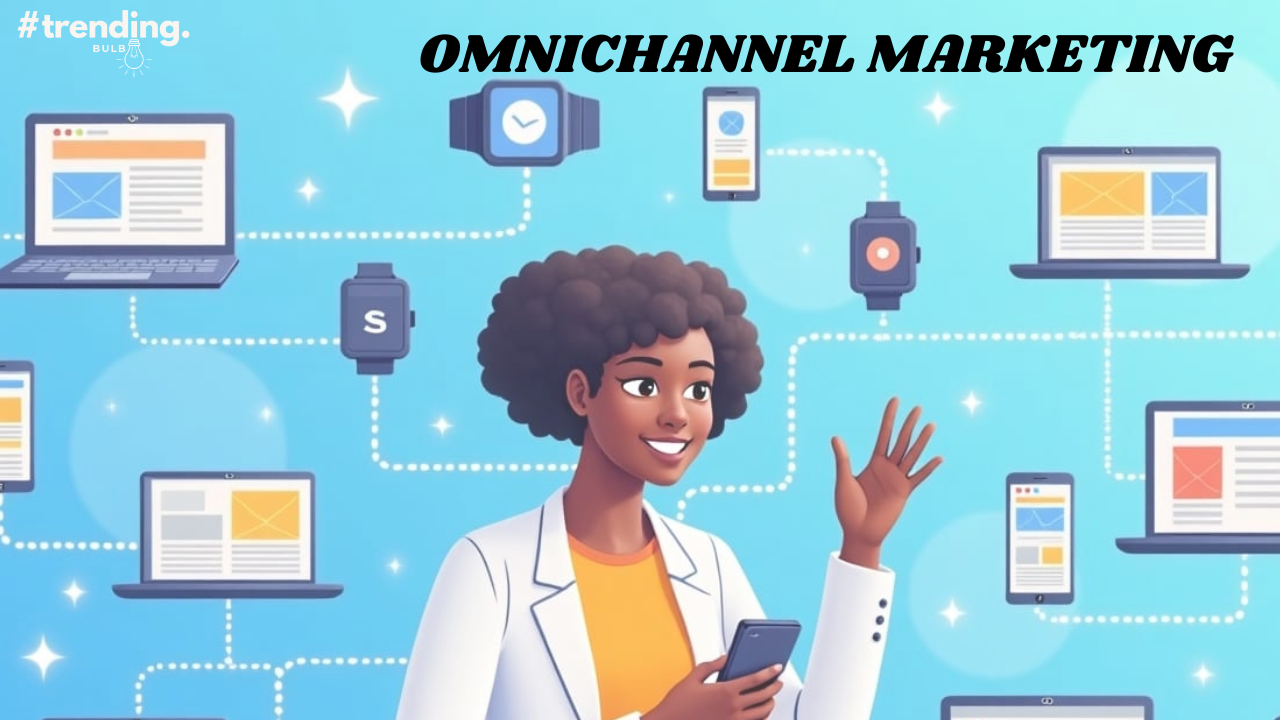
Omnichannel marketing is a strategy that ensures a consistent and seamless customer experience across multiple platforms and devices. Whether a customer interacts with your brand on social media, visits your website, receives an email, or shops in-store, the experience should feel connected and personalized.
Why is Omnichannel Marketing Important?
Consumers today use multiple channels before making a purchase. A strong omnichannel strategy helps businesses:
- Improve customer engagement
- Increase brand loyalty
- Drive higher conversions and sales
- Enhance customer satisfaction
Key Strategies to Build an Effective Omnichannel Experience
1. Understand Your Audience
Before implementing an omnichannel strategy, analyze customer behavior, preferences, and purchasing habits. Use tools like Google Analytics, CRM software, and social media insights to collect data.
2. Ensure Consistent Branding and Messaging
Your brand’s voice, design, and messaging should be uniform across all platforms. This helps customers recognize and trust your brand wherever they engage with it.
3. Integrate Multiple Channels
All marketing channels, including your website, social media, email, and offline stores, should be interconnected. For example:
- A customer who abandons their cart on a website can receive an email reminder.
- Social media promotions should link directly to product pages.
- Customer service should have access to previous interactions, whether online or offline.
4. Personalize the Customer Experience
Use data-driven insights to offer personalized recommendations, targeted ads, and customized emails. AI-driven tools can help automate and personalize the user experience based on past interactions.
5. Optimize for Mobile
With more consumers shopping on mobile devices, your website and marketing campaigns must be mobile-friendly. Ensure quick load times, responsive design, and easy navigation for a smooth user experience.
6. Leverage Automation and AI
Automation tools can help businesses manage customer interactions efficiently. Chatbots, AI-driven email marketing, and automated responses ensure customers get timely and relevant communication.
7. Measure and Optimize Performance
Regularly track key metrics such as customer engagement, conversion rates, and retention. Use A/B testing and analytics tools to refine your strategy and improve customer experiences continuously.
Conclusion
Omnichannel marketing is essential for businesses looking to build strong customer relationships and increase sales. By integrating multiple platforms, personalizing interactions, and ensuring consistency, you can create a seamless and engaging customer journey.
Start implementing omnichannel strategies today to stay ahead in the competitive digital landscape with the help of TRENDING BULB !