🌍 Introduction
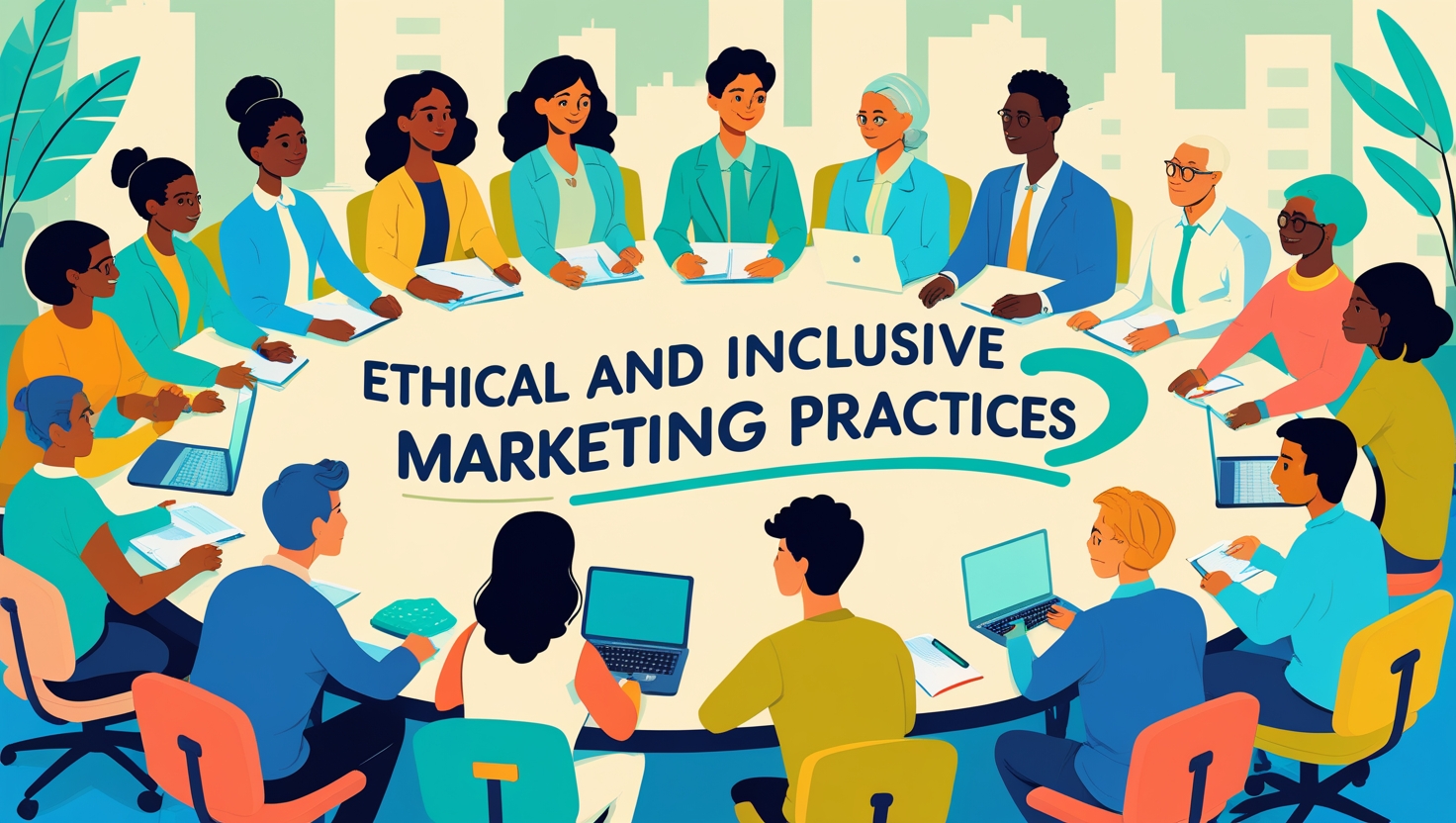
In today’s interconnected and socially conscious world, consumers demand more than just great products—they expect brands to reflect their values. That’s why Ethical and Inclusive Marketing Practices have become essential to any forward-thinking business strategy. Far beyond being a short-lived trend, these practices represent a lasting movement that is reshaping how businesses communicate, advertise, and earn long-term customer trust.
In this blog, we’ll explore the importance of Ethical and Inclusive Marketing Practices in 2025, how they influence buyer behaviour, and actionable steps your brand can take to embrace authenticity, diversity, and responsibility. If you’re looking to connect with today’s conscious consumers, boost brand loyalty, and create a meaningful impact, this guide is for you.
💡 What Is Ethical Marketing?
Ethical marketing refers to honest, transparent, and socially responsible communication with consumers. It’s about doing the right thing—even when no one’s watching.
🧭 Core Principles:
Transparency: Clear and honest messaging
Fairness: Respect for customer data, no misleading tactics
Sustainability: Eco-friendly business operations and messaging
Purpose-Driven: Standing for societal good, not just profit
🎨 What Is Inclusive Marketing?
Inclusive marketing ensures that your brand message represents and respects diverse communities—across race, gender, age, ability, culture, and identity.
💬 Key Elements:
Authentic Representation: Diverse casting, languages, and visuals
Accessible Design: ADA-compliant websites, captions, alt-text
Cultural Sensitivity: Avoiding stereotypes or tokenism
Community Engagement: Listening to marginalized voices
🚀 Why It Matters in 2025
73% of Gen Z say they will boycott a brand that doesn’t align with their values.
Ethical brands enjoy higher trust and long-term loyalty.
Inclusive ads outperform non-inclusive ones by 23% on average.
“If you’re not speaking to everyone, you’re speaking to no one.”
🔧 How to Implement Ethical & Inclusive Marketing
✅ 1. Audit Your Content and Campaigns
Look for unconscious bias, outdated language, or underrepresented groups. Use inclusive language tools and diversity audits.
✅ 2. Partner with Diverse Creators
Collaborate with micro-influencers from different backgrounds to tell authentic stories.
✅ 3. Prioritize Accessibility
Make websites and digital assets accessible (WCAG 2.1 guidelines). Use alt-text, readable fonts, high contrast colors.
✅ 4. Be Transparent with Data
Use data responsibly. Inform customers how their data is collected and used.
✅ 5. Align with Social Causes
Support non-profits, donate a percentage of sales, or advocate for change with meaningful campaigns.
🧠 Real-World Examples
Ben & Jerry’s: Advocated for racial justice through transparent social media campaigns.
Nike: Partnered with athletes of all backgrounds to challenge stereotypes.
Sephora: Created a more inclusive in-store experience through diversity training and product ranges.
📈 SEO Keywords (For All Platforms):
Ethical marketing 2025
Inclusive branding strategies
Purpose-driven marketing
Diversity in advertising
Brand transparency and ethics
✍️ Final Thoughts
Ethical and inclusive marketing isn’t just good for society—it’s great for business. In 2025 and beyond, brands that lead with empathy, integrity, and representation will not only earn profits—they’ll earn trust and admiration.
🌱 Be the brand that does good and feels good to support.